TRAFFIC, SEO, EMAIL, SOCIAL, PROMOTION, MARKETING ROUTINES
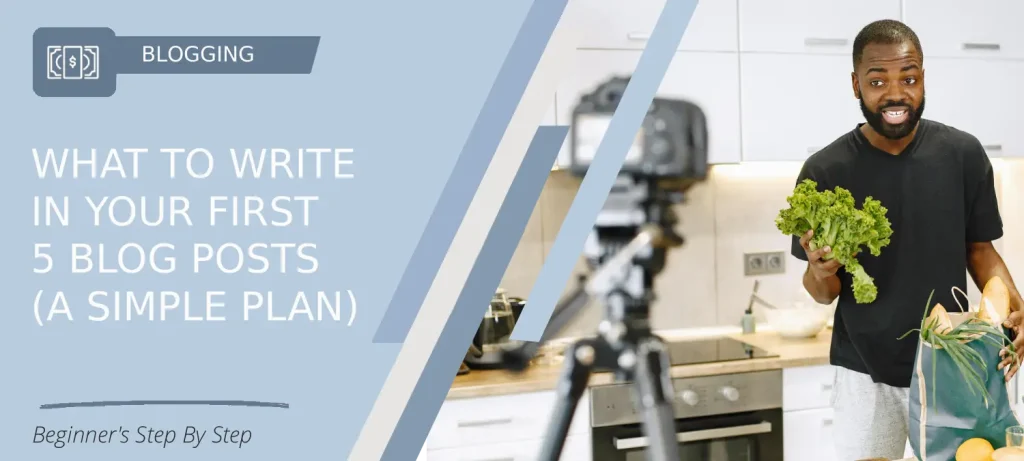
BLOGGING – Writing Your First Posts👉 Guide 26
(A Simple Plan for New Bloggers)
Starting a blog is exciting… but many new bloggers get stuck on one question:
“What should I write first?”
- 👉 Guide 26
- (A Simple Plan for New Bloggers)
- 1. Your “Start Here” or Beginner Guide Post
- 2. Your Personal Story Post
- 3. A Helpful “How-To” Tutorial
- 4. A List Post (Easy to Read and Share)
- 5. A Helpful Resource or Tool Guide
- A Simple First Blog Structure
- How Long Should Your First Blog Posts Be?
- Don’t Wait Until Everything Is Perfect
- Final Thoughts
- Blogging Guide Navigation
The good news is you don’t need dozens of posts to get started. In fact, your first five blog posts can create the foundation for your entire blog.
Think of these as the posts that help readers:
- Understand who you are
- Learn what your blog is about
- Trust your advice
- Discover helpful content quickly
If you publish these five posts early, your blog will feel organized, helpful, and trustworthy from day one.
Let’s break down the five posts every beginner should write first.
1. Your “Start Here” or Beginner Guide Post
Your first major post should help brand-new readers understand your topic.
Think of it as the welcome guide to your blog.
Examples:
- Beginner’s Guide to Starting an Online Business After 50
- How to Start a Budget Travel Blog
- Beginner’s Guide to Vegetable Gardening
This type of article usually becomes one of your most important posts because it explains the basics.
What to include:
- What the topic is
- Why it matters
- The first steps beginners should take
- Links to other helpful posts
This post often becomes a pillar article that many other posts link to.
2. Your Personal Story Post
People connect with people, not just information.
Your story helps readers understand:
- Why you started the blog
- What experience you have
- What you’ve learned along the way
If your site targets beginners (especially those over 50), your story can be incredibly powerful.
Examples:
- Why I Started an Online Business After 50
- My Journey From Hobby to Online Income
- How I Learned Blogging Later in Life
You don’t need to share everything — just enough to show readers that you understand their situation.
Stories build trust and relatability.
3. A Helpful “How-To” Tutorial
Tutorial posts are one of the best ways to help readers and attract search traffic.
Choose something simple but useful in your niche.
Examples:
- How to Choose a Blogging Niche After 50
- How to Set Up a Blog Step-by-Step
- How to Find Blog Post Ideas
Tutorial posts work well because they solve a specific problem.
Try to include:
- Step-by-step instructions
- Clear explanations
- Simple tips beginners can follow
These posts often become search traffic magnets over time.
4. A List Post (Easy to Read and Share)
List posts are perfect for new blogs because they are:
- Easy to write
- Easy to read
- Highly shareable
Examples:
- 10 Online Business Ideas for Beginners Over 50
- 15 Blogging Tips Every Beginner Should Know
- 8 Mistakes New Bloggers Make
List posts work because readers can scan them quickly and pick up useful ideas.
They also help search engines understand your topic better.
5. A Helpful Resource or Tool Guide
Your final early post should introduce readers to tools, resources, or recommendations.
Examples:
- Blogging Tools Every Beginner Needs
- Best WordPress Themes for Beginner Bloggers
- Beginner-Friendly Blogging Platforms Compared
Resource posts are great because they can eventually include:
- affiliate links
- tool recommendations
- product reviews
Even if you’re not monetising yet, these posts can become valuable income opportunities later.
A Simple First Blog Structure
If you publish these five posts, your blog will already feel useful and structured.
Example structure:
1️⃣ Beginner Guide Post
2️⃣ Personal Story Post
3️⃣ How-To Tutorial
4️⃣ List Post
5️⃣ Resource or Tool Guide
This combination helps readers learn, trust you, and explore your site.
How Long Should Your First Blog Posts Be?
Many beginners worry about word count.
A good guideline:
- 800–1500 words per post
- Focus on helpfulness, not perfection
Remember: your first posts don’t need to be perfect. They just need to help someone solve a problem.
You can always improve them later.
Don’t Wait Until Everything Is Perfect
One of the biggest mistakes new bloggers make is waiting too long to publish.
Your first posts will improve as you learn.
Publishing early helps you:
- build writing confidence
- understand your audience
- learn what topics people enjoy
The most successful blogs grow post by post, not overnight.
Final Thoughts
Starting a blog becomes much easier when you know exactly what to write.
If you begin with these five types of posts, you’ll quickly create a blog that feels helpful and professional:
- A beginner guide
- Your personal story
- A step-by-step tutorial
- A list post
- A resource guide
Once those are published, you can continue building your blog by answering questions your audience is already asking.
And remember — every successful blog started with just a few posts and the courage to publish them.
Blogging Guide Navigation
Main Guide: How Blogging Works for Beginners Over 50