TRAFFIC, SEO, EMAIL, SOCIAL, PROMOTION, MARKETING ROUTINES
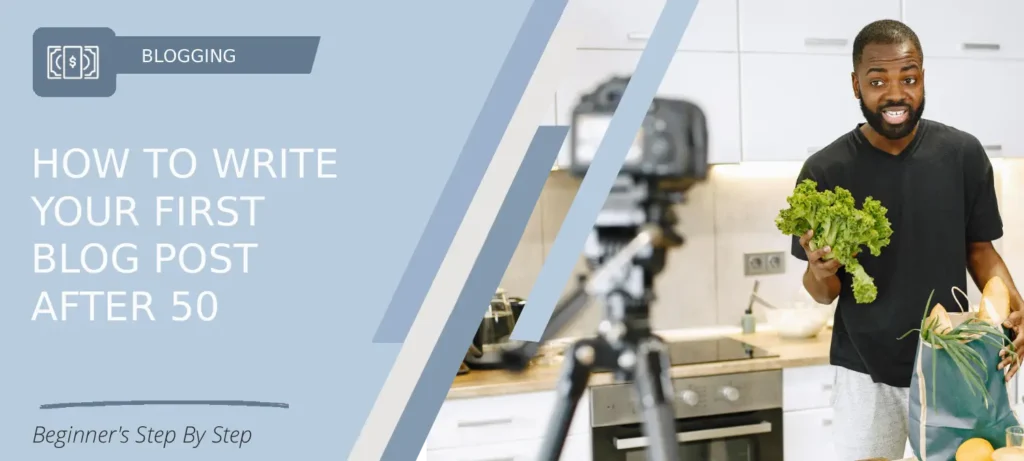
BLOGGING – Writing Your First Posts👉 GUIDE 25
(Simple Step-by-Step Beginner Guide)
Writing your very first blog post can feel surprisingly intimidating — especially if you didn’t grow up with blogs, social media, or online publishing.
- 👉 GUIDE 25
- (Simple Step-by-Step Beginner Guide)
- Step 1: Choose a Simple, Clear Topic
- Step 2: Write for One Person — Not the Internet
- Step 3: Create a Simple Blog Post Structure
- Step 4: Write the Introduction (Without Overthinking It)
- Step 5: Write the Main Content in Small Sections
- Step 6: Add Headings to Make It Easy to Read
- Step 7: Write a Gentle Conclusion
- Step 8: Edit Lightly (Don’t Rewrite Everything)
- Step 9: Add a Title That Matches the Content
- Step 10: Hit Publish (Even If You Feel Nervous)
- Common Beginner Worries (And Why You Can Ignore Them)
- What Comes Next?
- Blogging Guide Navigation
- FAQs – Writing Your First Blog Post After 50
If you’re thinking:
- What if I’m not a good writer?
- What if I get it wrong?
- What if no one reads it?
You’re not alone — and here’s the good news: your first blog post does not need to be perfect.
It just needs to be written.
This guide will walk you through the process step by step, in plain language, with no jargon, no pressure, and no tech overwhelm.
By the end, you’ll have a real blog post — written, formatted, and ready to publish.
Step 1: Choose a Simple, Clear Topic
One of the biggest beginner mistakes is trying to write something too big or too clever.
For your first post, keep it simple.
Good first blog post ideas:
- How you got started with your blog
- A beginner tip you wish you’d known earlier
- A solution to a small, specific problem
- A personal story with a lesson
Examples:
- Why I Decided to Start a Blog After 50
- 3 Things I Learned Setting Up My First Blog
- How I Chose My Blog Topic After 50
👉 If you followed the previous guides, your topic should already connect to your blog niche and ideal reader.
Step 2: Write for One Person — Not the Internet
You are not writing for Google.
Plus You are not writing for “everyone.”
You are writing for one real person — someone just like you, a few steps behind.
Imagine:
- A friend
- A neighbour
- Someone sitting across the table with a cup of tea
Write the way you would talk to them.
Short sentences are good.
Simple words are better.
Perfection is not required.
Step 3: Create a Simple Blog Post Structure
You don’t need to be a professional writer — you just need a clear structure.
A beginner-friendly blog post looks like this:
- Introduction – What the post is about and why it matters
- Main points – 3–5 clear sections
- Conclusion – A summary and next step
That’s it.
No fancy writing.
No long essays.
Step 4: Write the Introduction (Without Overthinking It)
Your introduction should:
- Let the reader know they’re in the right place
- Acknowledge how they might be feeling
- Explain what the post will help them do
Simple introduction formula:
If you’re [struggling with X], this post will show you how to [solve Y].
Example:
If you’re new to blogging and unsure how to write your first post, this guide will walk you through it step by step — even if you’ve never written online before.
That’s all you need.
Step 5: Write the Main Content in Small Sections
Break your post into clear sections using headings.
Each section should:
- Cover one idea
- Be easy to scan
- Feel manageable
Tips for writing:
- Write as you speak
- Don’t worry about grammar yet
- Leave mistakes — you can fix them later
If you get stuck, ask yourself:
“What would I explain next if someone asked me this in person?”
Step 6: Add Headings to Make It Easy to Read
Headings help:
- Your reader
- Search engines
- You stay organised
Use headings like:
- Step 1
- Step 2
- Simple tips
- Common mistakes
Think clarity over creativity.
Step 7: Write a Gentle Conclusion
Your conclusion doesn’t need to be dramatic.
Simply:
- Summarise what they’ve learned
- Encourage them to take the next step
Example:
Writing your first blog post can feel uncomfortable — but that’s a sign you’re doing something new. Every blogger you admire started with one imperfect post. Yours is no different.
You can also gently point them to:
- The next guide
- A related article
- A helpful resource
Step 8: Edit Lightly (Don’t Rewrite Everything)
This is not the time to be harsh with yourself.
When editing:
- Remove obvious mistakes
- Break long paragraphs
- Fix spelling if you notice it
Do not:
- Rewrite the entire post
- Try to sound “professional”
- Compare yourself to other bloggers
Your voice is your strength.
Step 9: Add a Title That Matches the Content
Your title should:
- Be clear
- Match what the post delivers
- Help the right reader click
Examples:
- How to Write Your First Blog Post After 50
- A Beginner’s Guide to Writing Your First Blog Post
- My First Blog Post: What I Learned Starting After 50
Clear beats clever — every time.
Step 10: Hit Publish (Even If You Feel Nervous)
This is the hardest step — and the most important one.
You may feel:
- Doubt
- Fear
- “Who do I think I am?” thoughts
That’s normal.
Publishing your first post is not about traffic or perfection.
It’s about momentum.
Once your first post is live:
- You’re officially a blogger
- Everything gets easier
- Confidence grows with each post
Common Beginner Worries (And Why You Can Ignore Them)
- “It’s not good enough.” → It doesn’t need to be.
- “No one will read it.” → Everyone starts at zero.
- “I’m too late.” → Your life experience is your advantage.
What Comes Next?
Now that your first post is written and published, the next step is learning how to get eyes on your blog — without spending hours on social media.
👉 Next Guide: How to Write Blog Posts That Google Loves
Final Encouragement 💛
Starting a blog after 50 isn’t about chasing trends.
It’s about sharing what you know, at your pace, in your own voice.
You’ve taken a big step — and this is just the beginning.
Take this one step at a time. You don’t need to do everything today — just the next right step. 😉
Blogging Guide Navigation
Main Guide: How Blogging Works for Beginners Over 50
FAQs – Writing Your First Blog Post After 50
No. Blogging is not about perfect writing — it’s about clear communication. Many successful bloggers write in a simple, conversational way. Life experience matters far more than writing flair.
Aim for 800–1,200 words if possible, but don’t stress about numbers. Your first goal is clarity and confidence — not length.
That’s completely normal. Most blogs start with zero readers. Your first post is about learning, not traffic. Visibility comes later as you publish more content.
Absolutely. One of the best things about blogging is that nothing is permanent. You can edit, update, or improve your posts at any time.
Yes — if you’re comfortable. Personal experiences help readers connect with you and trust your message. You don’t need to share everything — just what feels right.
That feeling means you’re stepping outside your comfort zone — which is a good sign. Every blogger feels this way at the beginning. Confidence comes from taking action, not waiting for it.